

Internet becomes a vital thing these years, especially we are asked to work from home due to COVID-19. That’s said, having a fast Wi-Fi connection is essential to support our work productivity in our home. Installing a Sterke router will be a great help to make sure your internet connection is fast and stable. However, if you are using another Wi-Fi router and it’s problematic with the slow connection, you should fix it as soon as possible. In this article, I wrote five tips to fix a slow Wi-Fi connection.
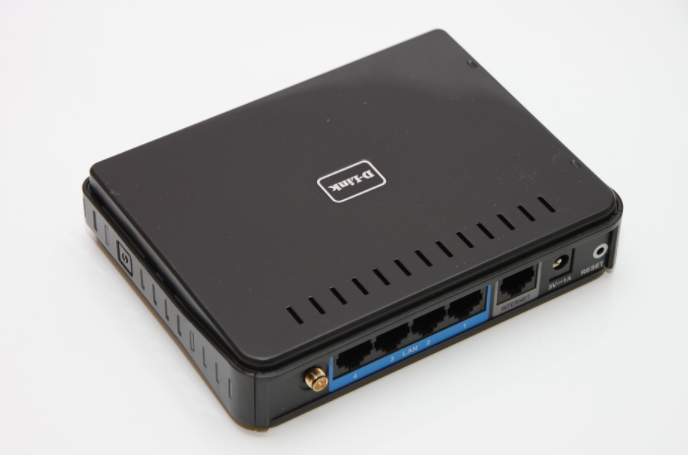
Find the Best Spot, Coverage, and Antenna angle
Perhaps what’s going on with the home wireless network is the layout of the house and where the router sends the waves. To increase the range, experiment with the entire device as well as your antenna. This is the simplest method that does not require an excessive amount of time, money, or special understanding. It is worth changing the location of the router, if it is in a corner of the region, closet (especially metal – it greatly simplifies the signal, along with concrete walls). It may also be useful to reposition the router’s antenna – to learn more about it, search the Internet for the method of propagation of router signals. But back to sensitive signals, the vast majority of routers get the best signal when the antenna is still at full capacity.
Set Up a Good Channel
A Wi-Fi network operates on a series of narrow bands called radio rings. There are a few channels; there are multiple devices that want to use them. As a result, the most popular set – 2.4 GHz – can be blocked by local networks and other devices. This is perhaps similar to the way the navigation system selects the route with traffic. Routers do a great job here, but you can still help them. For example, you can set your router to automatically find and place the least obstructed channels.
Set Up to 5 GHz for Better Performance
Older versions of routers and more frugal brands don’t support 5 GHz, so we get significantly less noise and higher transmission speeds. Switching to Wi-Fi 5 may only be noticed if you have many devices in your home that need a robust wireless network. However, keep in mind that switching to 5 GHz is not a recipe for everyone. The price of a larger frequency is faster signal attenuation depending on distance, and in large apartments or homes, the burgeoning range may very well fail.
Use Wired System
 We’re so used to the simplicity of a Wi-Fi program that we forget about that wonderful old cable. Connecting to the web via cable is often the easiest and least expensive option and eliminates the problems associated with Wi-Fi programs. Using a wired connection has two advantages. First, it eliminates remote problems where the wireless signal is not strong enough. Then, it improves the quality of the wireless connection of several devices when at least a handful of them are combined with a cable.
Set a Mesh System
The location of the wireless signal can also be increased in several ways. For example, signal amplifiers can be installed or the router’s antenna can be replaced with another (you’d be surprised how poor the antenna quality of a standard home router is, even though it looks impressive). However, if system device management isn’t your favorite thing to do, it’s best to buy a ready-made kit that allows you to set up a system. These kits are offered by the vast majority of network device manufacturers. With this method, the size of the area covered by the Wi-Fi process is up to you – you just have to pay extra, but you don’t need to invest in the best areas. Some manufacturers offer routers that support this option by default, after which you only need to buy a few low-cost access points.

 Yes, it’s true that our ancestors used clay pots to create music. By striking the
  The 20th century was a golden age for music. With the development of new technologies, musicians experimented with sound in ways that were never before possible. This led to the development of new genres like rock, hip hop, and electronic music. Music-making apps are prevalent in today’s society. With the touch of a button, you can create a professional-sounding song. This has made music-making more accessible than ever before.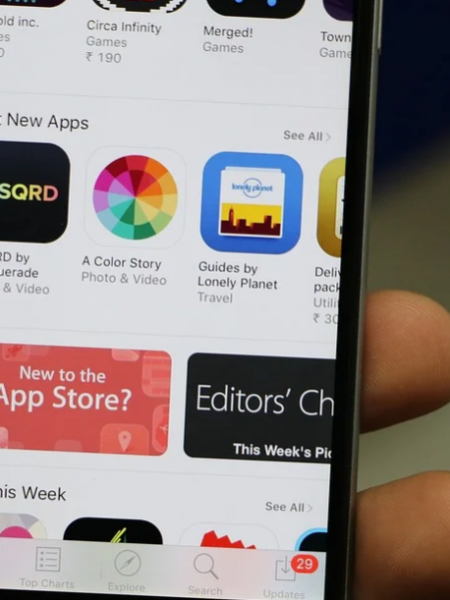
 Apple’s app shop for
  Google created Android Market as an online marketplace for Android-based devices, including tablets and phones. Android Market is pre-installed on all Android devices. It has more than 400,000 apps. You can browse, purchase and download many applications from Android Market. 67% of the apps in the Android Market are completely free, which is more than any other app store. This is great for users because they have a wide range of apps to choose from without paying anything. By the end of 2011, more than 10 billion apps had been downloaded from the Android Market worldwide. Android makes it easy to see which apps are most popular and which are trending. It also has some publisher selections.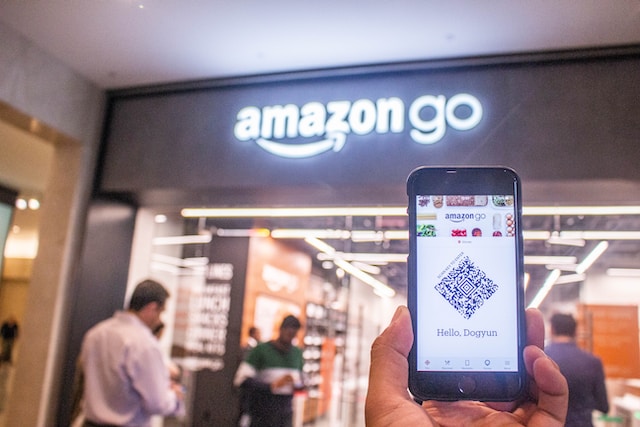
 Gone are the days of digging through piles of paperwork or scrolling endlessly through websites to find the information we need. QR codes offer a swift and hassle-free solution for quick access to data. This is usually true for codes that are generated by any
  With contactless transactions, there’s no need to physically hand over money or touch any surfaces. Whether you’re buying groceries at the supermarket or paying for your morning coffee, simply scan the QR code displayed on the counter, and voila! The payment is processed seamlessly and securely. Not only do contactless transactions save time and effort, but they also prioritize safety by reducing physical interaction between customers and staff. This has become especially important in light of recent global events that have emphasized the importance of maintaining hygiene practices.