

Sudden spikes in followers can look impressive on a social media profile. They suggest momentum, interest, and influence. Some users even explore how to buy Facebook followers to create these jumps. But Facebook views these increases differently. While natural growth happens over time, artificial boosts leave digital traces that algorithms can easily detect. Temporal pattern analysis is one of Facebook’s core tools for identifying irregular behavior. It tracks timing, frequency, and velocity of interactions to reveal suspicious changes. Understanding how this system works helps users recognize why authentic growth matters and why manipulated metrics are quickly flagged.

How Timing Shapes Growth Signals

Every real social media account grows in a rhythm. Followers arrive gradually. Engagement rises and falls based on activity, content, and relevance. Temporal pattern analysis studies how these natural rhythms behave. When an account suddenly gains hundreds or thousands of followers in minutes, the algorithm notices. It compares the timing against past behavior and typical user patterns. Rare events, like viral moments, still follow logical signals the system can track. But manipulated growth often lacks these cues. Facebook examines the pace of interactions to separate authentic momentum from suspicious surges.

Viral Growth From Suspicious Activity

Not all fast growth is a problem. Viral content naturally draws attention quickly. Facebook knows this and analyzes additional context. Viral moments come with high engagement, shares, and interactions. They show diverse behavior from real users across different time zones. Artificial inflation lacks this complexity. It may have high follower numbers, but almost no meaningful engagement. Temporal pattern analysis reviews the ecosystem around the growth. When the signals match organic sharing, the growth is treated as legitimate. When they do not, the system looks deeper for irregularities.

Why Sudden Surges Raise Red Flags
facebook activity

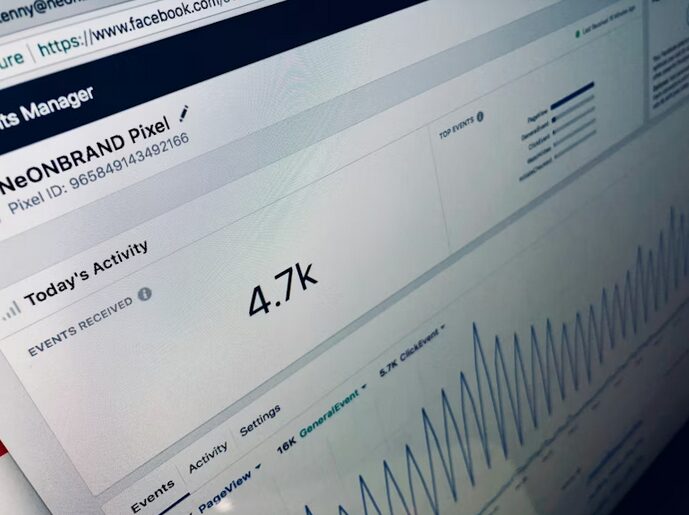
Instant increases in followers may appear exciting, but they rarely mirror organic behavior. Facebook uses temporal signals to pinpoint growth that happens too quickly to be genuine. These jumps often happen at odd hours or without any corresponding activity, which makes them easy to detect. The platform checks whether new followers engage, browse, or show typical user behavior. When they do not, the pattern becomes even clearer. This process helps ensure that the platform remains reliable. It protects both users and advertisers from inflated metrics that distort reality.

How Facebook Responds After Detection

Once suspicious temporal patterns are found, Facebook initiates several steps. It may temporarily limit features, trigger identity checks, or restrict follower visibility. In cases with clear manipulation, fake followers are removed. Accounts linked to unnatural growth can also face lowered reach. Facebook uses these responses to maintain platform integrity. Its goal is not only to remove inauthentic activity but also to discourage future attempts. By maintaining strict oversight, Facebook protects real engagement and ensures that user interactions remain meaningful.

Machine Learning’s Role in Identifying Irregular Activity

machine learning

More than simple timing checks, Facebook relies on machine learning to analyze millions of data points. These systems learn what normal looks like. They monitor time intervals between follows, account interactions, and engagement patterns. When growth deviates from expected patterns, the algorithm assigns risk scores. Higher scores indicate likely artificial activity. Machine learning makes the detection process more accurate over time. It learns from previous cases and adjusts its understanding of new threats. This ability gives Facebook a unique advantage in recognizing subtle shifts that manual reviews would miss.

Patterns That Reveal Artificial Follower Inflation

Artificial growth often leaves predictable clues. One common sign is synchronized following. This occurs when many accounts follow the same profile within seconds. Another signal is repeated bursts of new followers at identical time intervals. Real users do not behave this way. People follow spontaneously, not in perfect coordination. Facebook also checks whether new accounts share similarities, such as creation dates or repetitive activity. When combined with timing patterns, these signs create strong indicators of manipulation. The system then takes action to restrict or remove suspicious accounts.

Recognizing how Facebook monitors timing helps users appreciate the importance of real growth. Authentic audiences engage, comment, and support content. Artificial numbers do none of this. They distort analytics and weaken long-term performance. Using shortcuts can also place accounts at risk of penalties. Understanding temporal pattern analysis makes it clear that manipulation is easily detected. Genuine engagement remains the most sustainable path. It strengthens credibility and builds trust in ways inflated numbers never can.


Related Post

Buying Instagram Followers Without Ever Getting Banned: Tried and Tested TipsBuying Instagram Followers Without Ever Getting Banned: Tried and Tested Tips

Are you tired of watching your Instagram account languish in obscurity while others soar to stardom? The world of social media can feel like a popularity contest. Sometimes it seems that the only way to get noticed is by amassing followers super fast from the best place to buy instagram followers. But what if you could buy those followers without risking your hard-earned reputation or getting banned? In this guide, we’ll explore tried-and-tested tips for safely purchasing Instagram followers. We’ll help you navigate this tricky terrain so that your account can thrive while keeping the risk of penalties at bay.

Choose a Reputable Provider

When it comes to buying Instagram followers, choosing a reputable provider is your first step to success. The internet is filled with options, but not all are created equal. Start by doing some research. Look for providers with positive reviews and testimonials from real users. A trustworthy service will often have a transparent approach, clearly outlining what you can expect. Avoid those that promise overnight success or thousands of followers for an unrealistically low price. These offers usually come with risks such as fake accounts or bots that won’t engage with your content. Check their customer support too. A reliable provider should be available to answer questions and address concerns promptly.

Buy Gradually

Most of the time, sudden spikes in follower counts can raise suspicions and lead to account flags. Start small. Purchase a few hundred followers at first, then monitor how your account responds. Increasing your numbers slowly helps maintain a natural growth pattern that looks organic. Keep an eye on engagement rates as well. If you notice drops or unusual activity, adjust your strategy accordingly. This will help ensure the new followers are genuinely interested in your content. Mixing these purchases with regular interactions, like liking posts, commenting, and engaging with real users, for example, will create a balanced profile that feels authentic to others browsing through Instagram.

Mix with Organic Growth

Buying Instagram followers can give your account a quick boost, but it’s essential to blend this strategy with organic growth. This dual approach creates a more authentic presence. Engage genuinely with your audience by responding to comments and messages. Authentic interactions help build relationships that followers alone cannot provide. Content is crucial. Share high-quality posts that resonate with your target audience. When people see value in what you share, they’re more likely to follow organically. Utilize hashtags wisely to reach a broader audience. Mixing popular tags with niche ones will attract the right crowd without looking desperate for attention.

Don’t Buy Likes & Comments Together

When considering purchasing followers, it’s tempting to enhance your posts with likes and comments simultaneously. However, this strategy can raise red flags for Instagram. Buying likes and comments may seem like a quick fix. It can lead to an unnatural engagement ratio on your account. If you’re getting hundreds of likes but only a handful of genuine interactions, users will notice. Engagement should feel authentic. Natural growth comes from real connections with your audience. Focus on building relationships rather than inflating numbers artificially. Instead, invest in targeted follower acquisition while nurturing organic interactions through captivating content.

What to Do If Instagram Flags Your Account

But what if Instagram flags your account? First, try to understand why the flagging occurred. This could be due to suspicious activity or a sudden spike in followers that seems unnatural. Review any recent actions you’ve taken on your account. To resolve the issue, consider appealing directly to Instagram through their support channels.

All of these tips can help maintain the integrity of your profile and foster long-term success without attracting unwanted attention from Instagram’s algorithms. Remember that authenticity is key in social media marketing; true engagement cannot be bought or forced.

sparks

How to Remove Oxide Layers From Laser Cut SurfacesHow to Remove Oxide Layers From Laser Cut Surfaces

If you have ever laser cut a piece of metal, you know that oxide layers can form on the surface. These layers make the surface difficult to weld or solder and cause corrosion. This blog post will discuss various techniques for removing oxide layer from laser-cut surfaces. We will cover three different methods: chemical removal, mechanical removal, and thermal removal.

Chemical Removal

Chemical removal is the most common and cost-effective method to remove oxide layers from laser-cut surfaces. This involves using a chemical agent, such as citric acid or vinegar, to dissolve the oxides. It surface should be thoroughly cleaned before applying the chemical solution, as any residue can reduce its effectiveness. After allowing the solution to sit for a few minutes, the surface should be washed with water to remove any remaining chemical residue.

Mechanical Removal

welderAnother option for oxide layer removal is mechanical removal. This involves using abrasive materials, such as sandpaper or steel wool, to physically scour the oxides off the surface. It can be effective but requires much manual labor and patience to achieve a smooth finish. It also has the potential to leave unwanted scratches on the surface. In addition, due to the high temperatures involved in laser cutting, there is a risk of burning off too much material, potentially weakening the structure. Also, there is a greater risk of generating hazardous dust particles, so personal protective equipment such as masks and eye protection is recommended.

Thermal Removal

metal cutThe third method for removing oxide layers from laser-cut surfaces is thermal removal. This technique uses a torch or furnace to heat and evaporates the surface oxides. This can be useful for thick layers of oxides, as it is much faster than the other two methods. However, it should be done cautiously as temperatures above 1,100°F (593°C) can damage or even warp the material. Additionally, this method requires specialized equipment and expertise to perform safely. When done correctly, thermal removal can achieve a smooth finish with minimal heat damage.

In conclusion, there are three main methods for removing oxide layers from laser-cut surfaces: chemical, mechanical, and thermal. Each of these methods has its advantages and disadvantages. Chemical removal is the most cost-effective and easy-to-use option but requires thorough cleaning before application. Mechanical removal requires much manual labor and patience but is less risky and produces a smooth finish. Finally, thermal removal is the fastest option but requires specialized equipment and expertise to perform safely. Considering all of these factors is important when deciding which method is best for your project.

keyboard

Unveiling the Power of SEH Exploits: How Exception Handling Can Be Leveraged In Game HackingUnveiling the Power of SEH Exploits: How Exception Handling Can Be Leveraged In Game Hacking

Exception handling is a powerful feature in programming languages, designed to handle runtime errors and ensure the stability of software. However, in the world of game hacking, exception handling can be leveraged for purposes beyond error handling. SEH (Structured Exception Handling) exploits involve manipulating exceptions to gain control over a program’s execution flow. In this discussion, we will explore four key factors that highlight the power of SEH exploits in-game hacking and how they can be utilized. For more information, visit guidedhacking.medium.com to explore in-depth articles and resources related to game hacking and structured exception-handling techniques.

Code Execution Control

cheat code

SEH exploits allow developers to gain control over the execution flow of a game or application. By carefully crafting and manipulating exceptions, it becomes possible to redirect the program’s execution to desired code sections or even inject custom code into the process. This control opens avenues for creating cheats, mods, or altering game behavior, thereby enhancing the gaming experience and unlocking new possibilities within the game.

Vulnerability Exploitation

Understanding SEH exploits enables researchers to identify and exploit vulnerabilities in game code. Game engines or specific game components may have security weaknesses that can be exploited through crafted exceptions. By exploiting these vulnerabilities, hackers can gain unauthorized access, bypass security measures, or execute arbitrary code within the game process. This knowledge is essential for improving game security and protecting against potential threats.

Reverse Engineering and Analysis

SEH exploits are often employed as a technique for reverse engineering game binaries. By analyzing structured exception-handling mechanisms, developers can gain insights into the internal workings of games, including memory layouts, function calls, and data structures. Reverse engineering enables the creation of cheats, understanding game mechanics, and finding of hidden features. It also contributes to the broader field of vulnerability research and cybersecurity.

Mitigation and Protection

gameplay

Understanding SEH exploits is not limited to malicious intentions. Game developers and security professionals can leverage this knowledge to identify vulnerabilities and implement appropriate countermeasures. By understanding the techniques used by hackers, developers can fortify their code against such exploits and mitigate potential risks. This includes implementing secure exception handling, input validation, integrity checks, and other protective mechanisms to ensure the integrity and fairness of the game.

SEH exploits, although often associated with malicious activities, have significant implications in the realm of game hacking. Understanding the power of SEH exploits allows developers to gain code execution control, exploit vulnerabilities, engage in reverse engineering, and contribute to vulnerability mitigation. It is crucial to approach this knowledge responsibly, prioritizing ethical considerations and using it for the betterment of gaming experiences and security practices.