

Sudden spikes in followers can look impressive on a social media profile. They suggest momentum, interest, and influence. Some users even explore how to buy Facebook followers to create these jumps. But Facebook views these increases differently. While natural growth happens over time, artificial boosts leave digital traces that algorithms can easily detect. Temporal pattern analysis is one of Facebook’s core tools for identifying irregular behavior. It tracks timing, frequency, and velocity of interactions to reveal suspicious changes. Understanding how this system works helps users recognize why authentic growth matters and why manipulated metrics are quickly flagged.
How Timing Shapes Growth Signals
Every real social media account grows in a rhythm. Followers arrive gradually. Engagement rises and falls based on activity, content, and relevance. Temporal pattern analysis studies how these natural rhythms behave. When an account suddenly gains hundreds or thousands of followers in minutes, the algorithm notices. It compares the timing against past behavior and typical user patterns. Rare events, like viral moments, still follow logical signals the system can track. But manipulated growth often lacks these cues. Facebook examines the pace of interactions to separate authentic momentum from suspicious surges.
Viral Growth From Suspicious Activity
Not all fast growth is a problem. Viral content naturally draws attention quickly. Facebook knows this and analyzes additional context. Viral moments come with high engagement, shares, and interactions. They show diverse behavior from real users across different time zones. Artificial inflation lacks this complexity. It may have high follower numbers, but almost no meaningful engagement. Temporal pattern analysis reviews the ecosystem around the growth. When the signals match organic sharing, the growth is treated as legitimate. When they do not, the system looks deeper for irregularities.
Why Sudden Surges Raise Red Flags
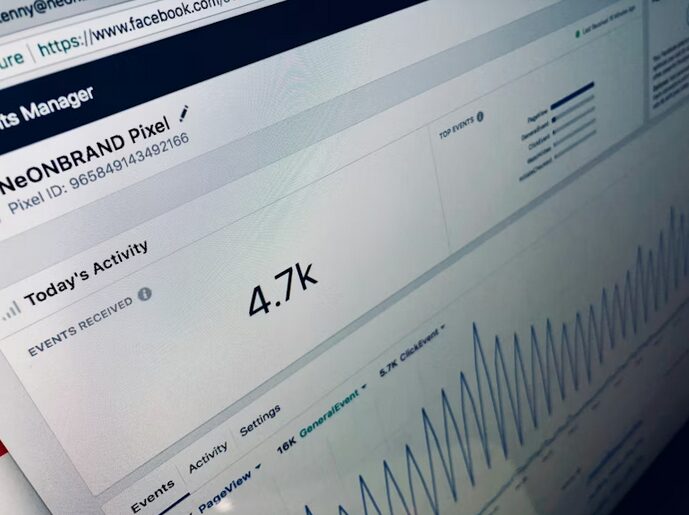
Instant increases in followers may appear exciting, but they rarely mirror organic behavior. Facebook uses temporal signals to pinpoint growth that happens too quickly to be genuine. These jumps often happen at odd hours or without any corresponding activity, which makes them easy to detect. The platform checks whether new followers engage, browse, or show typical user behavior. When they do not, the pattern becomes even clearer. This process helps ensure that the platform remains reliable. It protects both users and advertisers from inflated metrics that distort reality.
How Facebook Responds After Detection
Once suspicious temporal patterns are found, Facebook initiates several steps. It may temporarily limit features, trigger identity checks, or restrict follower visibility. In cases with clear manipulation, fake followers are removed. Accounts linked to unnatural growth can also face lowered reach. Facebook uses these responses to maintain platform integrity. Its goal is not only to remove inauthentic activity but also to discourage future attempts. By maintaining strict oversight, Facebook protects real engagement and ensures that user interactions remain meaningful.
Machine Learning’s Role in Identifying Irregular Activity

More than simple timing checks, Facebook relies on machine learning to analyze millions of data points. These systems learn what normal looks like. They monitor time intervals between follows, account interactions, …