

Sudden spikes in followers can look impressive on a social media profile. They suggest momentum, interest, and influence. Some users even explore how to buy Facebook followers to create these jumps. But Facebook views these increases differently. While natural growth happens over time, artificial boosts leave digital traces that algorithms can easily detect. Temporal pattern analysis is one of Facebook’s core tools for identifying irregular behavior. It tracks timing, frequency, and velocity of interactions to reveal suspicious changes. Understanding how this system works helps users recognize why authentic growth matters and why manipulated metrics are quickly flagged.
How Timing Shapes Growth Signals
Every real social media account grows in a rhythm. Followers arrive gradually. Engagement rises and falls based on activity, content, and relevance. Temporal pattern analysis studies how these natural rhythms behave. When an account suddenly gains hundreds or thousands of followers in minutes, the algorithm notices. It compares the timing against past behavior and typical user patterns. Rare events, like viral moments, still follow logical signals the system can track. But manipulated growth often lacks these cues. Facebook examines the pace of interactions to separate authentic momentum from suspicious surges.
Viral Growth From Suspicious Activity
Not all fast growth is a problem. Viral content naturally draws attention quickly. Facebook knows this and analyzes additional context. Viral moments come with high engagement, shares, and interactions. They show diverse behavior from real users across different time zones. Artificial inflation lacks this complexity. It may have high follower numbers, but almost no meaningful engagement. Temporal pattern analysis reviews the ecosystem around the growth. When the signals match organic sharing, the growth is treated as legitimate. When they do not, the system looks deeper for irregularities.
Why Sudden Surges Raise Red Flags
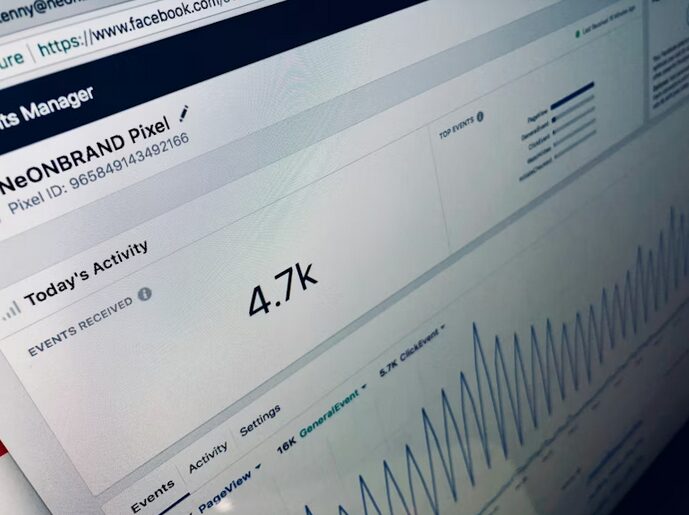
Instant increases in followers may appear exciting, but they rarely mirror organic behavior. Facebook uses temporal signals to pinpoint growth that happens too quickly to be genuine. These jumps often happen at odd hours or without any corresponding activity, which makes them easy to detect. The platform checks whether new followers engage, browse, or show typical user behavior. When they do not, the pattern becomes even clearer. This process helps ensure that the platform remains reliable. It protects both users and advertisers from inflated metrics that distort reality.
How Facebook Responds After Detection
Once suspicious temporal patterns are found, Facebook initiates several steps. It may temporarily limit features, trigger identity checks, or restrict follower visibility. In cases with clear manipulation, fake followers are removed. Accounts linked to unnatural growth can also face lowered reach. Facebook uses these responses to maintain platform integrity. Its goal is not only to remove inauthentic activity but also to discourage future attempts. By maintaining strict oversight, Facebook protects real engagement and ensures that user interactions remain meaningful.
Machine Learning’s Role in Identifying Irregular Activity

More than simple timing checks, Facebook relies on machine learning to analyze millions of data points. These systems learn what normal looks like. They monitor time intervals between follows, account interactions, and engagement patterns. When growth deviates from expected patterns, the algorithm assigns risk scores. Higher scores indicate likely artificial activity. Machine learning makes the detection process more accurate over time. It learns from previous cases and adjusts its understanding of new threats. This ability gives Facebook a unique advantage in recognizing subtle shifts that manual reviews would miss.
Patterns That Reveal Artificial Follower Inflation
Artificial growth often leaves predictable clues. One common sign is synchronized following. This occurs when many accounts follow the same profile within seconds. Another signal is repeated bursts of new followers at identical time intervals. Real users do not behave this way. People follow spontaneously, not in perfect coordination. Facebook also checks whether new accounts share similarities, such as creation dates or repetitive activity. When combined with timing patterns, these signs create strong indicators of manipulation. The system then takes action to restrict or remove suspicious accounts.
Recognizing how Facebook monitors timing helps users appreciate the importance of real growth. Authentic audiences engage, comment, and support content. Artificial numbers do none of this. They distort analytics and weaken long-term performance. Using shortcuts can also place accounts at risk of penalties. Understanding temporal pattern analysis makes it clear that manipulation is easily detected. Genuine engagement remains the most sustainable path. It strengthens credibility and builds trust in ways inflated numbers never can.
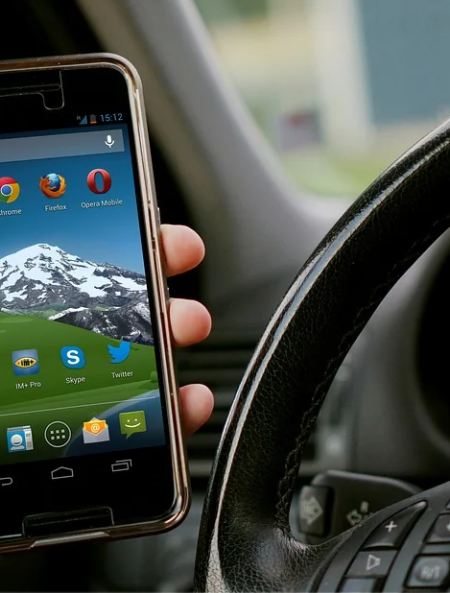
 The title is the first thing your target audience will visit. The title needs to meet specific requirements, as it needs to grab attention and be descriptive so that everyone knows what the program is about (unless you are a well-known brand, and then this doesn’t apply to you personally). It is recommended in both Appstore and Google Play to include keywords in the title. It is necessary to be very careful with everything you write. In the Google Play store, the title is limited to 30 characters.
 We highly recommend enlisting the help of a designer to design your icons and screens. Why? It can make your program more user-friendly. Here is a post that shows how moving an icon can change the fate of your application. The icon should always be simple; avoid words on the icon itself (because they are hard to see on mobile devices). Above all, be consistent with the plan of your icon and your program; adopt a frequent pattern if you can.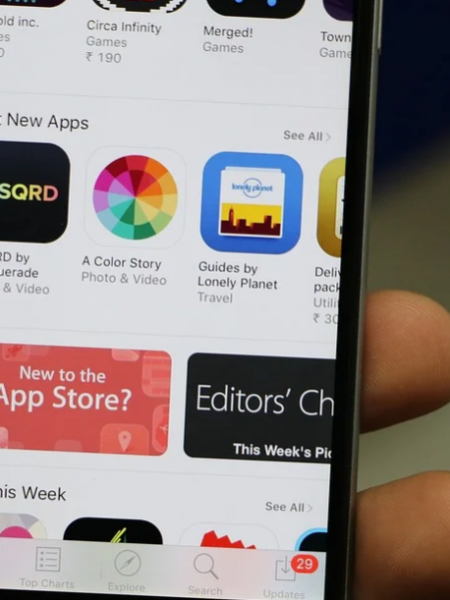
 Fortunately, there are third-party app stores that anyone can use. Some may work with almost all platforms, but some apps are best working on iPhone. Such a third-party app has an excellent user interface and experience. The users can navigate the apps well, and it does not require additional apps and supporting multiple languages. Therefore, this article wants to share some third-party apps that work best for iOS devices below. This way, iPhone users can find and get programs and other files in a comfortable way.
 According to how it works, Aptoide is one of many excellent third-party apps. However, Aptoide includes many things that you might not discover on some third-party apps mentioned above. They give more than just downloading apps and games to mobile units quickly and free of charge. Aptoide allows developers to submit their programs to this third-party app store. In other words, you can see programs or perhaps games on Aptoide that you can’t see elsewhere.
 When it comes to technology, communicating is now easier than ever.
  You to tens of thousands of people without much effort because social media advertising is almost free. It is effective because of the development of the technology to get a potential customer. It gives you clues about the type of audience you have. You will discover new potential customers. By examining feedback from your audience, you can begin to see clear patterns in your small business’s response. The social networking system gives you a significant playing field to show your real soul and skills.
 By putting your business on social websites, you become a unique personification. It appears as someone who is not a business. Someone people can talk to, and someone people can turn to if you feel alone. It makes you more accessible. Your customer can leave a message, and you choose to respond when needed. Social media can only provide this ability for all customers to reach you in their time of need. Social media is the latest invention in communication and information transport, and almost everyone visibly maintains a presence on the Internet.