
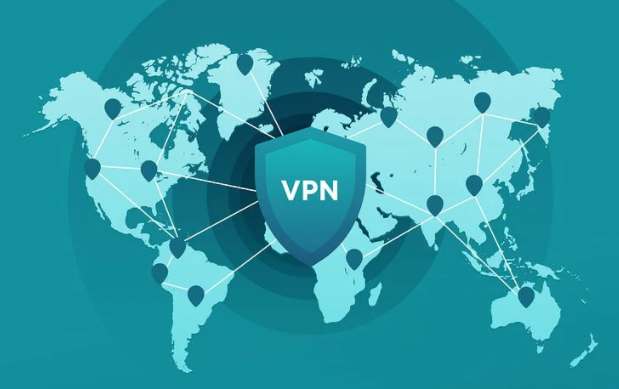
The network is extensive. Believe it or not, it’s almost everywhere on Earth. The Internet of things causes it. You will discover intelligent devices of various kinds, full of sensors and microprocessors that send and receive information 24 hours a day. The problem is that the network can be very similar to the Wild West, where anything is possible if you can turn it off. It makes security a priority when you use it. You need to protect your device’s welfare, protect your connections when using the Internet, and protect your data security because everyone is at risk. Besides, nordlynx explained the importance of data protection while accessing the open-source website, such as Netflix.
Risks also exist in many other trivial areas, such as an e-commerce website where information about you, your device, or location can be stored. An idiot-proof security program in your home is useless if your data is shared by someone you thought you could trust or if your connection through the use of your website leaves you unprotected. When you consider the breadth of the Article Network, it means that you will discover tens, hundreds, thousands of potential ways in which you, your loved ones, your devices, your home, or your company could be harmed.
The Importance of Data Security
Malware security and antivirus are essential tools in the battle to protect you. They prevent potentially harmful websites and programs from accessing your machine, they avoid the use of spyware and viruses, but they do not provide 100% security. Your IP address will continue to spread over the web, your connections will remain visible, and your machine will remain traceable. The only way to fully protect yourself would be to use a VPN, but most people have never heard of a VPN.
The network is not something physical. It is a process and a protocol that defines precisely how areas on physical devices should be marked so that routers can guide visitors accordingly. They belong to large companies, government agencies, and anyone with the money and technical mind to create one. The Internet is the process by which these disparate networks are connected. The VPN was designed to allow remote users, such as department offices, satellite workers, or business travelers, to connect to their home network via the Internet securely. One of these technological advancements that make the network and VPN work is tip packaging.
The Advantages of Performing VPN 

VPN is a mix of different technologies developed through personal and government/military sector studies. VPN software is added to the upload section of your data packets. It will also encrypt the IP information. It will also generate a new data packet that will contain the complete original package, only with a new IP address on the dedicated VPN server. Then, it will be encrypted and anonymous for random target groups.
Providers like VPNs have servers worldwide working with many particular VPN protocols, each offering a different level of security and benefits for Internet users. When you download the program, the application performs the same data encryption and repackaging until the connection is established to ensure absolute privacy and security. Then, all you need to do is click on the server you want to connect to, just like you connect to your regional Internet access provider. Connections are made through a standard interface and can be easily intercepted. VPNs create a secure connection that reduces this risk. It gives some benefits to users in performing a VPN, such as avoid Geo-restrictions and data collection. Therefore, you can protect your data even when you are using a VPN.

 If you’re looking for a way to improve your smart home, consider investing in a smart speaker. Smart speakers are becoming increasingly popular, and for a good reason. They offer a convenient way to control your smart home devices. You can use voice commands to turn on the lights, adjust the thermostat, or play music. Plus, many smart speakers come with built-in virtual assistants that can answer your questions, set alarms, and more. Siri, Alexa, and Google Assistant are popular options for getting started.
 A smart video doorbell is a great way to improve your home security. These devices allow you to see and speak to visitors from anywhere in the world. You can also use them to monitor your front door and receive alerts if someone breaks in. Many smart video doorbells come with night vision, so you can see who’s at your door even in the dark. Plus, they’re easy to install and come with various features to choose from.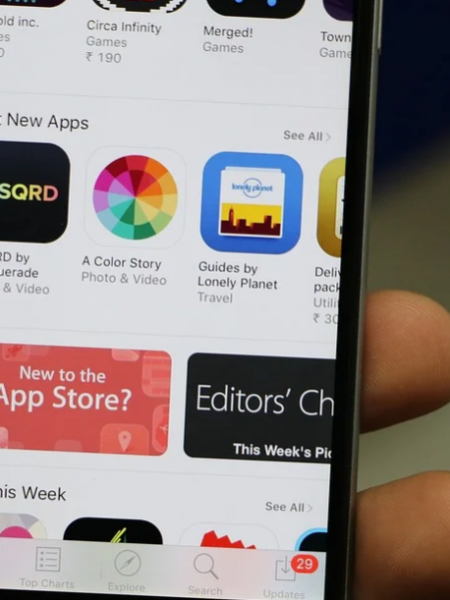
 Apple’s app shop for
  Google created Android Market as an online marketplace for Android-based devices, including tablets and phones. Android Market is pre-installed on all Android devices. It has more than 400,000 apps. You can browse, purchase and download many applications from Android Market. 67% of the apps in the Android Market are completely free, which is more than any other app store. This is great for users because they have a wide range of apps to choose from without paying anything. By the end of 2011, more than 10 billion apps had been downloaded from the Android Market worldwide. Android makes it easy to see which apps are most popular and which are trending. It also has some publisher selections.
 The emulator allows you to simulate, create and run Android applications without a physical device. The Android program also helps you create a new SD card image with a new AVD to copy the files. You can load the SD card image into the emulator at startup. The emulator supports Android configurations, which can set the Android system’s version to use individual applications, web pages, audio/video, data storage and retrieval, user information, and sending graphics changes and themes.