Like most technological improvements, the best inventions in national security are very cost-effective over time. In the old days, complex motion detectors were the stuff of crime thrillers, where an elusive thief could get around the excellent security device. Today you can secure your loved ones and assets with a similar technology level without having to take out another mortgage. Below are the top technological advances in home security.
Driveway Alarm System
It is an excellent deterrent for an intruder who needs to enter your home and escape with your valuable assets. After these sensors detect movements in your driveway, the alarm will appear and notify your security company of a security breach. This is why many people, especially those who have cars, prefer to use this kind of technology. Many people find this device a necessity for every home. Most likely for people who travel often. It is essential to do some research, if your having a hard time choosing the right driveway alarm system for your home.
Spy Apparatus
An espionage device generally offers The best in the industry and is not satisfied with a single control center from which alarms are sent. The industry’s successful ones have management centers in many parts of the country, so small neighborhood security companies are back to the totem pole.
Flood and Freeze Protection
If a bathtub is inadvertently left running or a natural disaster occurs, you must be prepared to flood your home and protect your personal belongings and pets from damage. Water detectors can provide the safety you want. The same goes for sub-zero temperatures. A sharp drop in temperature could seriously harm the elderly and endanger the whole family.
Heat and Poison Sensors
The number of fire tragedies that occur each year is shocking. The number of homes that are not equipped for this type of emergency is increasingly shocking. Ensure you have smoke detectors installed in your home and find out how the heat sensor can give you extra security. In addition, the danger of carbon monoxide has made it mandatory to use sensors with this deadly, odorless gas in most parts of the country.
We live in a world where our personal data is constantly at risk. From identity theft to corporate espionage, there are many ways for criminals and hackers to get their hands on our information. One way to protect ourselves from these threats is by using a VPN (Virtual Private Network).
A VPN provider creates a secure connection between your computer and the internet, making it difficult for anyone to track your online activity. This post will discuss how VPN technology can keep us safe and protect our privacy.
What is VPN?
We’ve touched a bit on the preamble above about VPN, but let’s dig a little bit deeper. VPN is a technology that allows you to create a secure connection over a public network. VPNs can be used to protect your privacy and security while online and allow you to access blocked websites and content.
How Does VPN Work?
VPNs work by creating an encrypted tunnel between your computer and the VPN provider’s servers. This tunnel protects your data from being intercepted by anyone else, making it difficult for them to track or spy on your online activity.
Why Use a VPN?
There are many reasons why you might want to use a VPN. Some of the most common reasons include:
To protect your privacy and security while online
To access blocked websites and content
To avoid censorship
To protect yourself from online surveillance
To circumvent geographic restrictions
How to choose a VPN provider?
When choosing a VPN provider, there are several things you should consider:
The price – Not all providers offer the same services, so be sure to compare prices before signing up.
The location of the provider’s servers – The closer the server to your location, the better the performance will be.
The number of devices that can be connected to a single account – Some providers allow you to connect up to five devices at once, while others only allow one.
The level of security offered – Make sure the provider offers a high level of security, such as 256-bit encryption.
The Takeaway
VPNs are a great way to protect your privacy and security online. If you’re looking for a way to keep yourself safe from the dangers of the internet, be sure to consider using a VPN. To learn more about VPN technology and how it can benefit you, visit the above link and take advantage of the free information today.
In today’s digital landscape, boosting your follower count can seem like a shortcut to relevance, influence, or even financial gain. But if your audience growth appears artificial, you may do more harm than good to your reputation. That’s why anyone considering follower purchases needs a strategy to make growth appear smooth and organic. For those focused on increasing post interactions too, you might want to explore options to buy instagram reels comments to support your engagement metrics in tandem. But the key is making it all look and feel real. So how exactly do you do that? Here are the top strategies to make your Instagram growth seem completely natural—even if you’re getting a little help behind the scenes.
Don’t Go for Big Bursts—Pace Your Growth Gradually
One of the clearest signs of purchased followers is a sudden, unexplained spike in numbers. If your account gains 5,000 followers overnight, it can raise eyebrows—both from users and Instagram’s algorithm. Instead, opt for slow, paced growth. Many reliable services allow you to control the delivery speed, letting your followers drip in gradually over a few days or weeks. This method makes your rise look realistic and avoids triggering suspicion. Gradual growth gives your account breathing room, allowing your content and interactions to catch up to your numbers. A steady increase in both followers and post engagement will seem like a natural ripple effect from good content—rather than a sharp, algorithm-defying jump.
Pair Follower Growth with Organic Engagement
Even if your follower count is on the rise, empty comment sections and low likes can make your account look hollow. To maintain a believable profile, ensure your interactions keep pace with your follower count. Share stories, post regularly, reply to comments, and use engaging captions that invite responses. More importantly, don’t ignore the role of comment quality. Investing in real-looking replies or interactive feedback—especially on reels—can fill the gap between appearance and authenticity. This is where targeted, user-style comments can play a role in balancing your overall account activity.
Choose High-Quality Followers from Reputable Providers
Not all purchased followers are created equal. Some come from empty, inactive profiles that follow thousands of accounts and post nothing—clear indicators of automation. To keep your account believable, select services that offer accounts with photos, bios, and realistic activity. These followers don’t just inflate your count—they add credibility. Additionally, some providers allow targeting by location or interests, which makes your follower base feel more aligned with your content. An audience of apparent bots will be spotted easily; a community that reflects your niche is harder to question.
Mix in Organic Tactics with Paid Growth
A smart way to support your paid follower increase is by simultaneously running natural engagement campaigns. Collaborate with other accounts in your niche, use trending audio or hashtags, and incentivize real users to follow you through giveaways or content challenges. This dual approach helps maintain authenticity. When real people engage with your content alongside your growing follower base, the mix feels believable to onlookers. More importantly, this blend feeds Instagram’s algorithm with positive signals, increasing your chances of being shown to more users through explore pages or suggested content streams.
Avoid Over-Optimization and Keep Things Casual
Trying too hard to “look authentic” can sometimes backfire. If your profile suddenly shifts tone or overuses engagement hacks, it can feel forced. Let your growth be one part of your broader strategy. Keep your bio real, your captions conversational, and your content consistent with your previous posting style. Don’t make every move about optics. Balance is everything—some polished posts, some fun behind-the-scenes clips, and a few offbeat reels here and there. This approach keeps your presence grounded and relatable, no matter what’s going on behind the scenes in terms of metrics.
Conclusion
Buying followers can be a useful tactic—but only when done carefully and discreetly. Real success on Instagram isn’t just about numbers—it’s about how those numbers reflect activity, interest, and connection. By pacing your follower growth, supporting it with real engagement, choosing high-quality services, blending in organic strategies, and maintaining your authentic voice, you can grow your Instagram without setting off red flags. Use these tips to make your social presence feel both strong and believable—because looking natural online is just as valuable as looking popular.
Now that the soccer season is back, many people are looking for ways to check the livestream of the game. Many people today, download live football TV PC so they can stream on their windows. It’s safe to say that most Irish soccer fans will be eager to get back to following Liverpool and Manchester United. Today, you can easily check the score of the remaining matches and prove your friend wrong. Below are the top football apps.
LiveScore
LiveScore is one of my favorite apps. You can get live scores from the Premier League or the Hungarian second division. Considering the app does what it says on the box, the term “Ronseal” comes to mind. It shows the score in real-time. It also shows some live stats such as yellow cards, fouls, etc. If the game is public enough, it can also offer simple commentary.
FourFourTwo Stats Zone
It’s similar to LiveScore in that you can get live score information. But FourFourTwo is on another level when it comes to stats with its Stats. Stats are essential in sports, especially soccer. Just as Billy Beane taught teams to review stats on a mathematical level to predict how a team would play. In the age of online fantasy soccer, it’s crucial to have access to real-time information, such as whether your central midfielder has received too many yellow cards and needs to be replaced.
New Star Soccer
New Star Soccer is almost a bridge between a soccer management simulation and a regular soccer video game. You can also control a player’s entire career. You can make them score goals to earn a place in a big club. It will be great fun for everyone at halftime.
Football Manager
Football Manager, this simulator has won my heart for many years. Whether you want to help the poorest of clubs to Champions League glory or make your managerial debut in the FA Cup final, this game is hugely popular among soccer fans. The developers offer the ability to play on your tablet or smartphone rather than being confined to your PC/Mac. It’s not as detailed as the board game, but you can still trade in the transfer market and watch the little circles move from pixel to pixel and win the game.


 It is an excellent deterrent for an intruder who needs to enter your home and escape with your valuable assets. After these sensors detect movements in your driveway, the alarm will appear and notify your security company of a security breach. This is why many people, especially those who have cars, prefer to use this kind of technology. Many people find this device a necessity for every home. Most likely for people who travel often. It is essential to do some research, if your having a hard time choosing the right driveway alarm system for your home.
 The number of fire tragedies that occur each year is shocking. The number of homes that are not equipped for this type of emergency is increasingly shocking. Ensure you have smoke detectors installed in your home and find out how the heat sensor can give you extra security. In addition, the danger of carbon monoxide has made it mandatory to use sensors with this deadly, odorless gas in most parts of the country.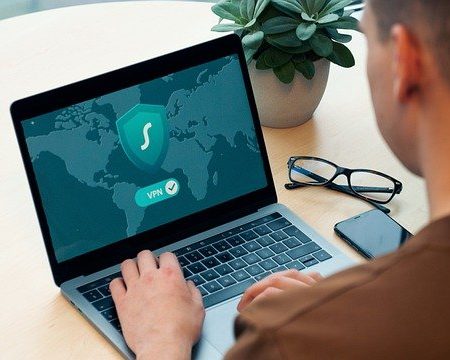
 We’ve touched a bit on the preamble above about VPN, but let’s dig a little bit deeper. VPN is a technology that allows you to create a secure connection over a public network. VPNs can be used to protect your privacy and security while online and allow you to access blocked websites and content.



 Football Manager, this simulator has won my heart for many years. Whether you want to help the poorest of clubs to Champions League glory or make your managerial debut in the FA Cup final, this game is hugely popular among soccer fans. The developers offer the ability to play on your tablet or smartphone rather than being confined to your PC/Mac. It’s not as detailed as the board game, but you can still trade in the transfer market and watch the little circles move from pixel to pixel and win the game.