
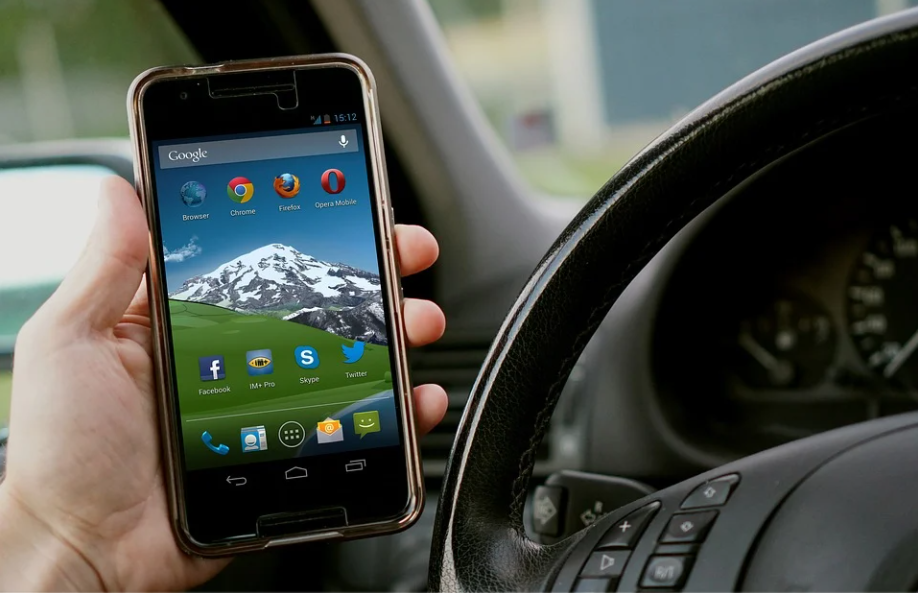
In this guide, we’ll explain the steps to plan your app submission on TweakDoor Download. There are several key differences between the Apple and Android markets. Here I’ll review the main differences to consider before submitting your program. In the Google Developer Console, there is no field to enter keywords. So, it’s best to use the name and description of the app.
Program Name
 The title is the first thing your target audience will visit. The title needs to meet specific requirements, as it needs to grab attention and be descriptive so that everyone knows what the program is about (unless you are a well-known brand, and then this doesn’t apply to you personally). It is recommended in both Appstore and Google Play to include keywords in the title. It is necessary to be very careful with everything you write. In the Google Play store, the title is limited to 30 characters.
Program Reminder
Did you know that nobody reads it? Even though the space for the description is unlimited, you should focus on the first three lines. There, you should put the following points: the main features of your product, advantages of downloading the program and the best reviews (if you have any). You should also include other programs you have done (if any) and how users can contact you via email or social networks. In AppStore, the words you choose don’t matter, but in Google Play it’s different. Don’t repeat identical phrases because Google will penalize you if you repeat the related keywords more than five times.
Program Icon
 We highly recommend enlisting the help of a designer to design your icons and screens. Why? It can make your program more user-friendly. Here is a post that shows how moving an icon can change the fate of your application. The icon should always be simple; avoid words on the icon itself (because they are hard to see on mobile devices). Above all, be consistent with the plan of your icon and your program; adopt a frequent pattern if you can.
Attaching screenshots is a good way to describe the program a bit more. However, it’s not a good idea to just upload a screenshot of your program, why not add some text to it? Why not “illustrate” how customers will use the program? The sky is the limit here, you have to be creative. The best apps already do this, with favorable results. On Google Play, uploading a movie is highly recommended if you have one. Otherwise, screenshots should have the following features:
Program Reviews
It is very crucial to have five or more reviews in the first week that the show airs. It motivates more people to get busy, which will hopefully lead to more reviews and so on. It’s not complicated to get five testimonials since it’s simple. Remember the 3F’s? Asking is a great way to get an article, you won’t get anywhere if you don’t ask. In this segment, you will find all the latest information and some other news. It is vital to know that, depending on the schedule, it may be convenient to release new variants at certain times of the week. It is also critical to remember key dates, such as Christmas, to get a Christmas update, for example.
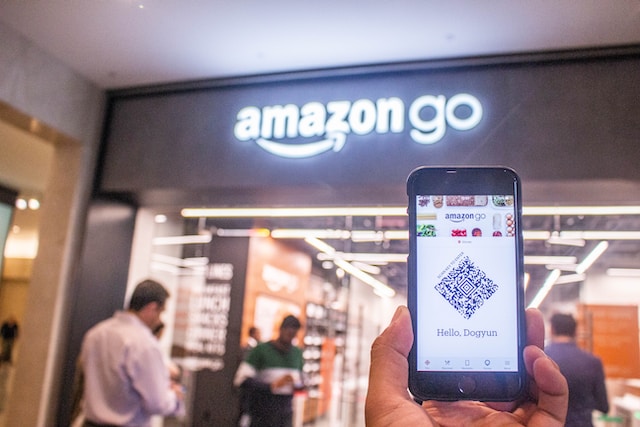
 Gone are the days of digging through piles of paperwork or scrolling endlessly through websites to find the information we need. QR codes offer a swift and hassle-free solution for quick access to data. This is usually true for codes that are generated by any
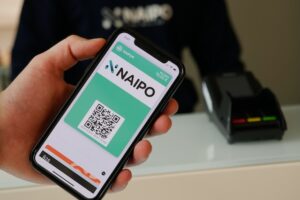
  With contactless transactions, there’s no need to physically hand over money or touch any surfaces. Whether you’re buying groceries at the supermarket or paying for your morning coffee, simply scan the QR code displayed on the counter, and voila! The payment is processed seamlessly and securely. Not only do contactless transactions save time and effort, but they also prioritize safety by reducing physical interaction between customers and staff. This has become especially important in light of recent global events that have emphasized the importance of maintaining hygiene practices.

 It is an excellent deterrent for an intruder who needs to enter your home and escape with your valuable assets. After these sensors detect movements in your driveway, the alarm will appear and notify your security company of a security breach. This is why many people, especially those who have cars, prefer to use this kind of technology. Many people find this device a necessity for every home. Most likely for people who travel often. It is essential to do some research, if your having a hard time
  The number of fire tragedies that occur each year is shocking. The number of homes that are not equipped for this type of emergency is increasingly shocking. Ensure you have smoke detectors installed in your home and find out how the heat sensor can give you extra security. In addition, the danger of carbon monoxide has made it mandatory to use sensors with this deadly, odorless gas in most parts of the country.