

It’s hard to imagine a world without music. From the earliest cave paintings to the modern-day symphony, music has been integral to human culture. But what about the tools that we use to make music? How have they evolved over time?
You don’t have to wonder anymore since we will explore the history of music-making technology and how it has changed over the years from DaysOfADomesticDad.com. Stay tuned for some amazing facts about your favorite instruments.
Clay Pots
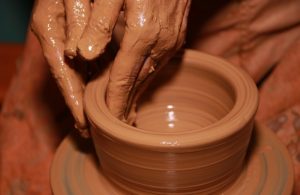 Yes, it’s true that our ancestors used clay pots to create music. By striking the pot with a stick, they were able to create a range of sounds that were used for communication and storytelling. While this may seem like a primitive form of music-making, it’s actually quite sophisticated. They understand rhythm and how to create a beat that people can follow. Percussion instruments like drums, cymbals, and gongs were also used in early music.
These instruments were often made from materials like wood, bone, and stone. Again, while they may seem primitive, they were actually quite advanced for their time.
Panpipes
The panpipe is one of the oldest musical instruments in the world. It’s thought to date back to the Stone Age and was made from various materials like bone, wood, reeds, and bamboo. Pan pipes were used in multiple ways, including religious ceremonies, healing rituals, and even as a form of entertainment. The earliest examples of written music date back to the Middle Ages. This is when we see the first notation for musical instruments. This allowed for a more standardized way of creating and playing music. It also allowed for the development of new instruments like the organ and the piano.
The Industrial Revolution
The industrial revolution had a major impact on music-making technology. New machines were developed that could mass-produce musical instruments. This made them more affordable and accessible to the general public. It also paved the way for new genres of music like jazz and blues.
The 20th Century
 The 20th century was a golden age for music. With the development of new technologies, musicians experimented with sound in ways that were never before possible. This led to the development of new genres like rock, hip hop, and electronic music. Music-making apps are prevalent in today’s society. With the touch of a button, you can create a professional-sounding song. This has made music-making more accessible than ever before.
Today, we’re in the middle of a digital revolution. Music-making technology has come a long way from its humble beginnings. With the help of computers, musicians can now create entire symphonies with the click of a button. Who knows what the future of music will hold? We can’t wait to find out. What are your thoughts on the evolution of music-making technology? Let us know in the comments below.





 Easy Navigation is a crucial aspect of mobile app development as it enhances user experience. A well-designed navigation system can help users easily find what they are looking for, making their interaction with the app seamless and effortless. To ensure easy navigation, developers need to consider various factors, such as the placement of menus, buttons, and icons. It’s important to avoid cluttering the interface with too many options that may confuse or overwhelm users. Instead, developers should aim for simplicity while providing all necessary features. Another key consideration for easy navigation is consistency. Users should be able to navigate through different sections of the app without relearning how to use it every time they open a new page or feature.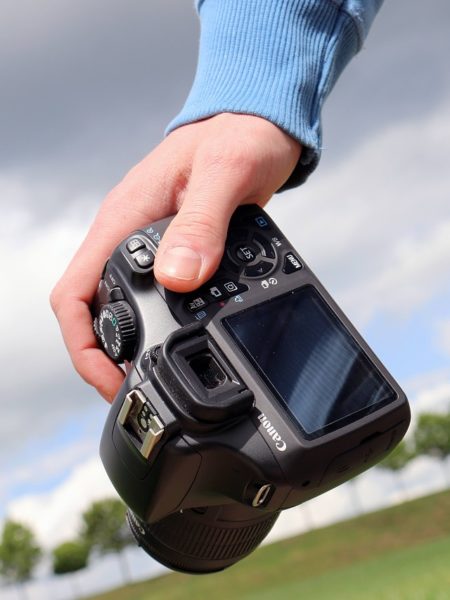
 One of the most common problems people have when taking photos is camera shake. This usually happens when you are using a low shutter speed, and it can result in blurry and unusable images. To avoid this, make sure to use a tripod or some other type of support for your camera. If you don’t have a tripod, try to find something else that you can use to steady your cameras, such as a table or a wall. Be flexible and experiment until you find a setup that works for you. This usually takes time and patience, but it’ll be worth it.
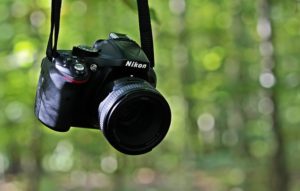 One of the great things about digital cameras is that they allow you to experiment with different settings and find what works best for you. So don’t be afraid to play around with the different settings on your camera and see what results you get. You might be surprised at what you can create. This is actually how many people create some of their best work. So go out and experiment. Take the time to practice and experiment, and soon you will be taking amazing photos with your digital camera.