

Technology continues to revolutionize the way we access, process, and utilize data. One such innovation that has taken center stage in recent years is the QR code. These square-shaped patterns may seem simple at first glance, but they are powerful tools that streamline information processing like never before.
From quick access to efficient data collection, inventory management to contactless transactions – QR codes have become an integral part of our daily lives. Let’s take a closer look at how these codes are transforming industries and empowering businesses to make data-driven decisions with speed and precision.
Quick Access to Information
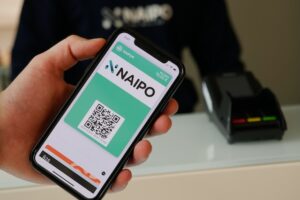 Gone are the days of digging through piles of paperwork or scrolling endlessly through websites to find the information we need. QR codes offer a swift and hassle-free solution for quick access to data. This is usually true for codes that are generated by any new qr code generator. With a simple scan using our smartphones, we can instantly retrieve product details, event schedules, contact information, and much more.
Imagine you’re visiting a museum and come across an intriguing artifact. Instead of squinting at tiny labels or searching for a nearby guide, just whip out your phone, scan the QR code next to it, and voila! Detailed historical facts and fascinating stories about the artifact pop up on your screen within seconds.
But it’s not just in museums where QR codes excel at providing fast access to information. They have become ubiquitous in advertising campaigns, too. Whether it’s scanning a code on a billboard to learn more about an upcoming movie release or scanning one on packaging for nutritional info – these little black-and-white squares make accessing valuable data effortless.
Efficient Data Collection
Data collection is a vital process for businesses of all sizes. It provides valuable insights and helps in making informed decisions. However, traditional data collection methods can be time-consuming and prone to errors. This is where QR codes come into play, revolutionizing the way data is collected. With QR codes, collecting data becomes quick and easy. Instead of manually entering information or filling out lengthy forms, users simply scan the code with their smartphone cameras. This instantly captures the required data and eliminates the need for manual input.
Inventory and Asset Management
Keeping track of inventory levels, monitoring assets, and ensuring efficient utilization can be challenging tasks. However, QR codes offer a streamlined solution to these challenges. By incorporating QR codes into your inventory and asset management system, you can easily track and manage your products or resources. Each item can be assigned a unique code that contains all relevant information, such as product details, location within the warehouse, and even maintenance history. When it comes to tracking inventory levels, QR codes simplify the process by allowing for quick scanning with a smartphone or barcode scanner.
Contactless Transactions
 With contactless transactions, there’s no need to physically hand over money or touch any surfaces. Whether you’re buying groceries at the supermarket or paying for your morning coffee, simply scan the QR code displayed on the counter, and voila! The payment is processed seamlessly and securely. Not only do contactless transactions save time and effort, but they also prioritize safety by reducing physical interaction between customers and staff. This has become especially important in light of recent global events that have emphasized the importance of maintaining hygiene practices.
QR codes have revolutionized the way we process information, making it quicker and more efficient than ever before. With their ability to provide quick access to information, streamline data collection, enhance inventory management, facilitate contactless transactions, and so much more, QR codes are truly a game-changer.

 The first factor that will be vital in helping you make the right choice when choosing a music streaming site is the music offered. As music is the main reason you are looking for a streaming site, it will be vital to consider it first. With a bit of research, you will learn that different music streaming sites offer music that varies.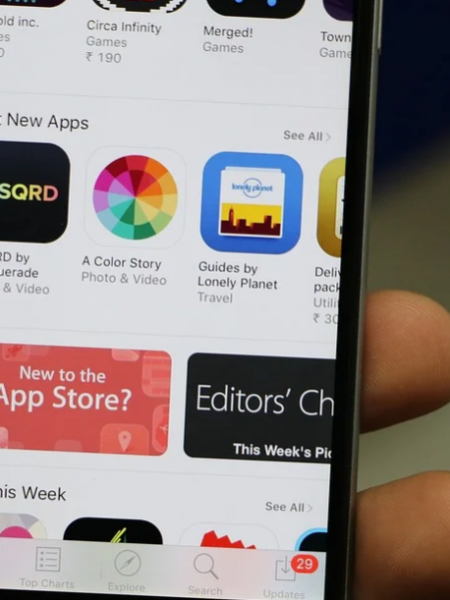
 Apple’s app shop for
  Google created Android Market as an online marketplace for Android-based devices, including tablets and phones. Android Market is pre-installed on all Android devices. It has more than 400,000 apps. You can browse, purchase and download many applications from Android Market. 67% of the apps in the Android Market are completely free, which is more than any other app store. This is great for users because they have a wide range of apps to choose from without paying anything. By the end of 2011, more than 10 billion apps had been downloaded from the Android Market worldwide. Android makes it easy to see which apps are most popular and which are trending. It also has some publisher selections.

 We should find out what exactly causes the annoying rundll32.exe error and choose a suitable solution to solve it. You will find several viable options that we can experiment with. Incorrect installation could be the cause of the situation. If the error message appears when you run a particular program, then it could be caused by improper installation. To solve this problem, you need to reinstall the program. Moreover, improper uninstallation may also be the cause of rundll32 exe malfunction. If you have recently uninstalled a particular program, this error may occur as a result of improper uninstallation. You need to reinstall the program and then disable it carefully.
 But since the computer system is really complex, it is not that easy for most of us to completely fix the rundll32 exe error. If you don’t have much experience in fixing system errors, I sincerely suggest you use a registry cleaner to get rid of it. Right now, an extremely praised registry cleaner is accessible online. Mechanically, to identify the specific cause of the malfunction. Then, in just a few moments, it repairs rundll32 exe errors and fixes startup and other DLL errors directly.