

DLL (Dynamic Link Library) injection is commonly used by game hackers to exploit vulnerabilities and gain advantages in video games. It involves injecting custom DLL files mentioned in these Geek Repos into the game’s executable to modify or enhance its functionality. In this article, we will demystify DLL injection and explore ways hackers leverage this technique for game exploits, shedding light on its potential risks to fair gameplay.
Cheat Development
DLL injection serves as a fundamental method for developing cheat software in games. Hackers can manipulate game variables by injecting custom DLLs, such as player health, ammunition, or in-game currency. This allows them to gain unfair advantages, such as unlimited resources, invincibility, or increased damage. The ability to inject DLLs gives hackers the power to change the game’s core mechanics and disrupt the balance intended by the developers.
Wallhacks and ESP (Extra Sensory Perception)
DLL injection is often used to create wallhacks, and ESP cheats in games. Wallhacks allow players to see through walls and other solid objects, granting them an unfair awareness of enemy positions. ESP cheats provide additional information, like player outlines, item locations, or radar-like displays, giving hackers a significant strategic advantage over legitimate players. These injections alter the game’s rendering process, enabling the rendering of hidden or occluded information.

Aimbot and Triggerbot
Aimbot and trigger bot cheats are frequently developed using DLL injection. Aimbot automatically aims at opponents, ensuring precise shots without requiring manual aiming skills. Triggerbot reacts to specific conditions, such as an enemy entering the crosshair, and automatically fires the weapon. DLL injection allows the manipulation of input events, providing hackers with near-perfect accuracy and reaction speed, making it difficult for opponents to defend or counter such attacks.
Bypassing Anti-Cheat Systems
DLL injection is employed to bypass and evade anti-cheat systems implemented by game developers. Hackers can inject DLLs that alter the game’s interaction with the anti-cheat software, masking their presence or preventing detection. This cat-and-mouse game between hackers and developers highlights the ongoing challenge of maintaining fair gameplay in the face of sophisticated exploits.
DLL injection is a powerful technique game hackers use to exploit vulnerabilities, manipulate game mechanics, and gain unfair advantages. Cheat development, wallhacks and ESP cheats, aimbot and triggerbot abilities, and bypassing anti-cheat systems are just a few ways hackers leverage DLL injection for game exploits. However, it is crucial to recognize that these exploits undermine fair gameplay and the integrity of competitive gaming. Game developers continually strive to improve security measures and detect and prevent DLL injection and other hacking techniques to ensure an enjoyable and level playing field for all players.

 Yes, it’s true that our ancestors used clay pots to create music. By striking the
  The 20th century was a golden age for music. With the development of new technologies, musicians experimented with sound in ways that were never before possible. This led to the development of new genres like rock, hip hop, and electronic music. Music-making apps are prevalent in today’s society. With the touch of a button, you can create a professional-sounding song. This has made music-making more accessible than ever before.

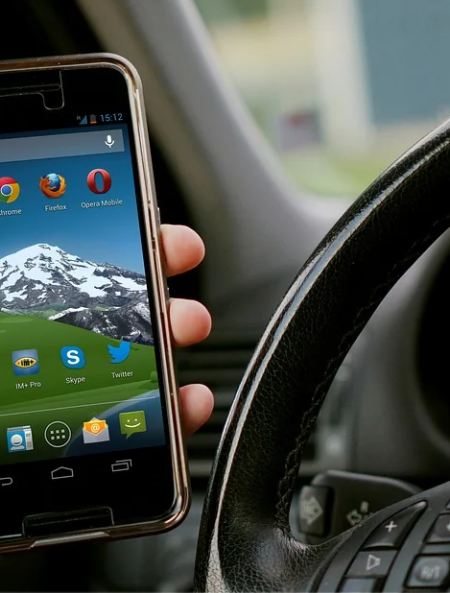
 The title is the first thing your target audience will visit. The title needs to meet specific requirements, as it needs to grab attention and be descriptive so that everyone knows what the program is about (unless you are a well-known brand, and then this doesn’t apply to you personally). It is recommended in both Appstore and Google Play to include keywords in the title. It is necessary to be very careful with everything you write. In the Google Play store, the title is limited to 30 characters.
 We highly recommend enlisting the help of a designer to design your icons and screens. Why? It can make your program more user-friendly. Here is a post that shows how moving an icon can change the fate of your application. The icon should always be simple; avoid words on the icon itself (because they are hard to see on mobile devices). Above all, be consistent with the plan of your icon and your program; adopt a frequent pattern if you can.